
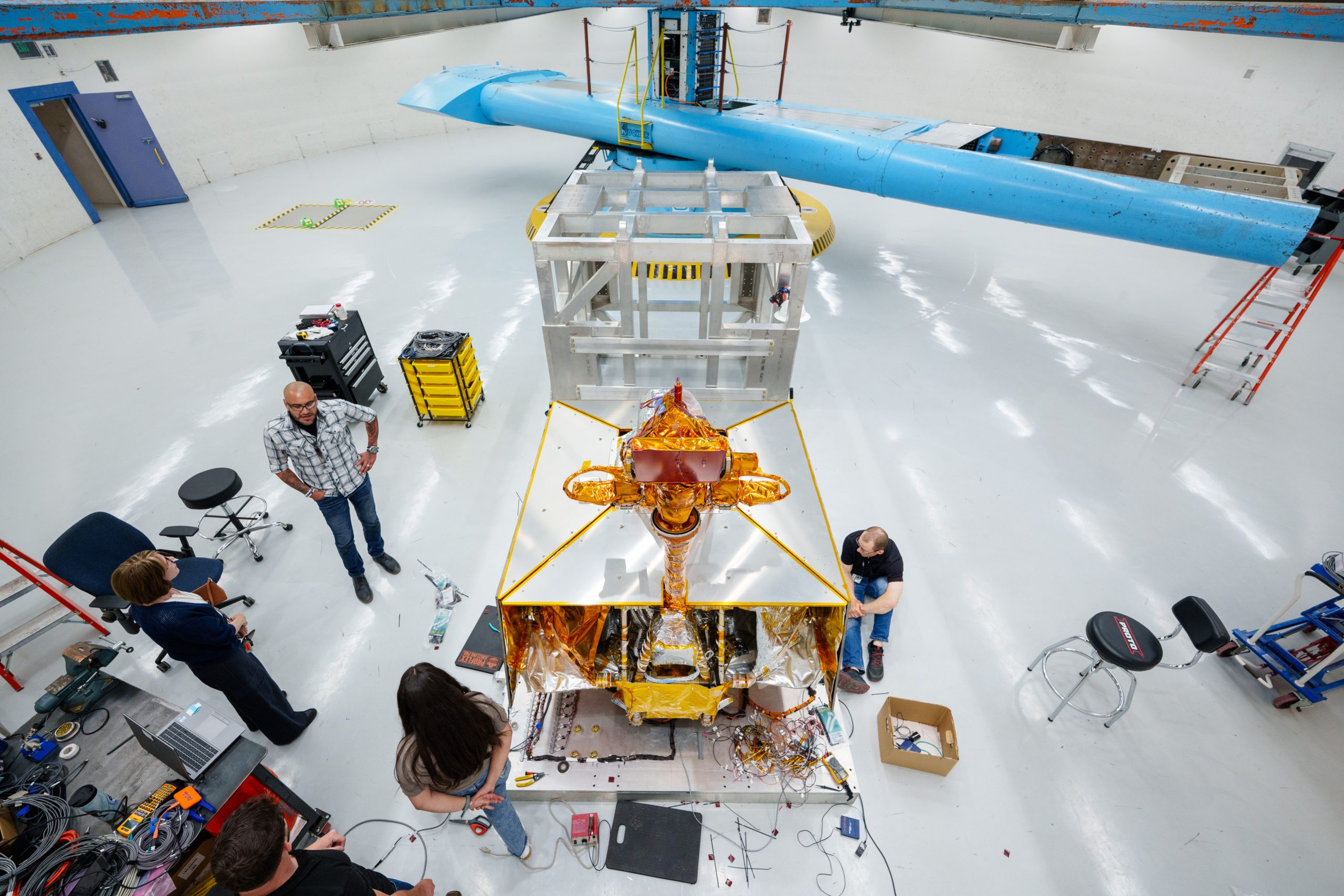
ALBUQUERQUE, N.M. — NASA’s VIPER rover, designed to map water on the moon, has reached another major milestone with help from Sandia National Laboratories and its one-of-a-kind testing capabilities.
“We’ve built a rover that is designed to go and prospect for water on the moon, but the vehicle must be certified for mission,” said Dave Petri, NASA VIPER system integration and test lead. “We need to be sure its structure is properly designed and built to survive the mission, including the launch environment.”
Sandia’s Superfuge
That’s where Sandia’s Large Centrifuge, or Superfuge, came in. A facility like none other in the world, the 29-foot underground centrifuge can subject test items to inertial forces up to 300 Gs — 300 times the force of the Earth’s gravity — and can accommodate a 16,000-pound payload capacity while integrating vibration, spin, thermal and shock environments simultaneously, mimicking flight conditions from launch to reentry.
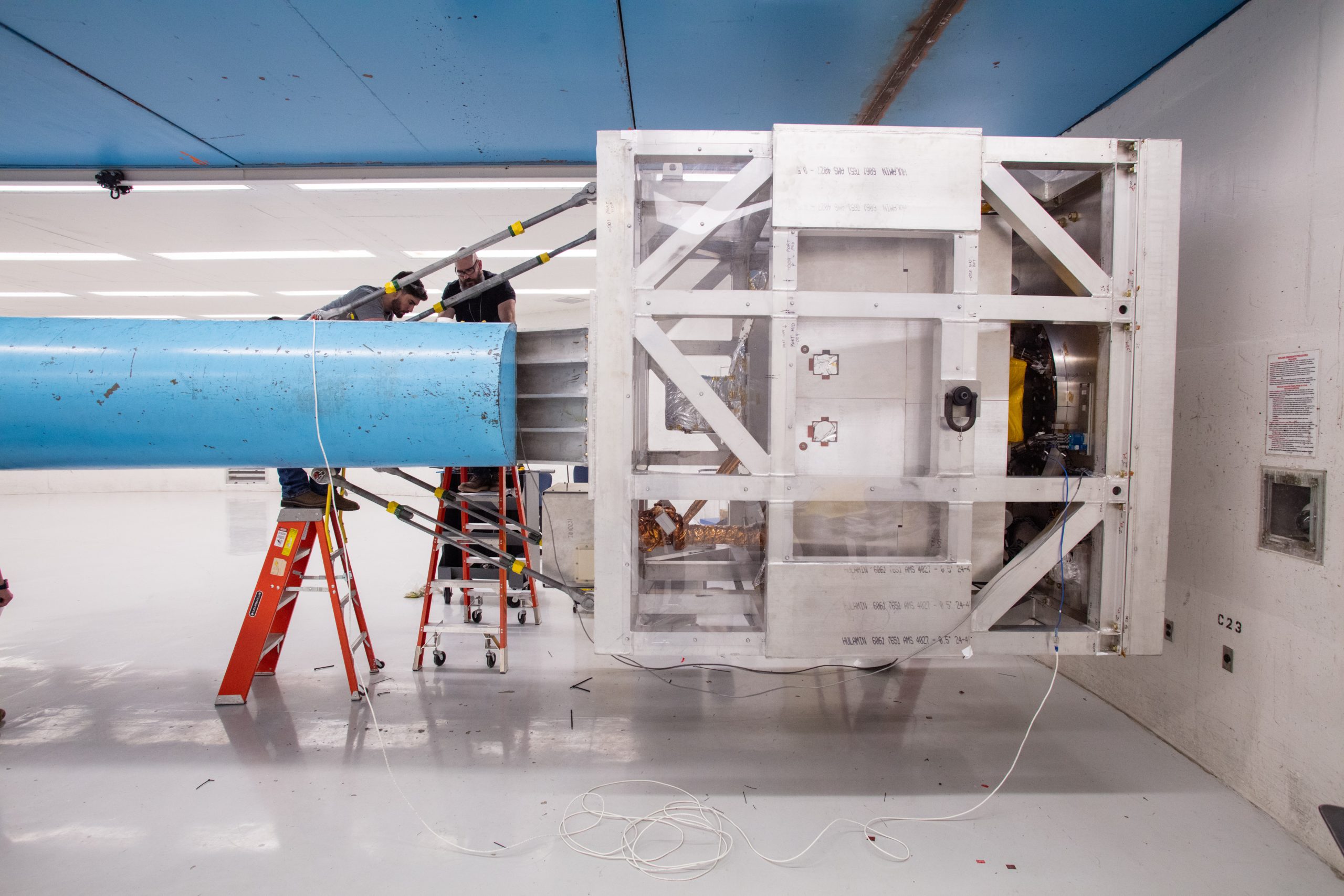
For NASA, the challenge with testing the VIPER rover was its size and design. The VIPER team considered multiple test methods and facilities, including a drop tower or rocket sled, but Sandia’s test abilities stood out.
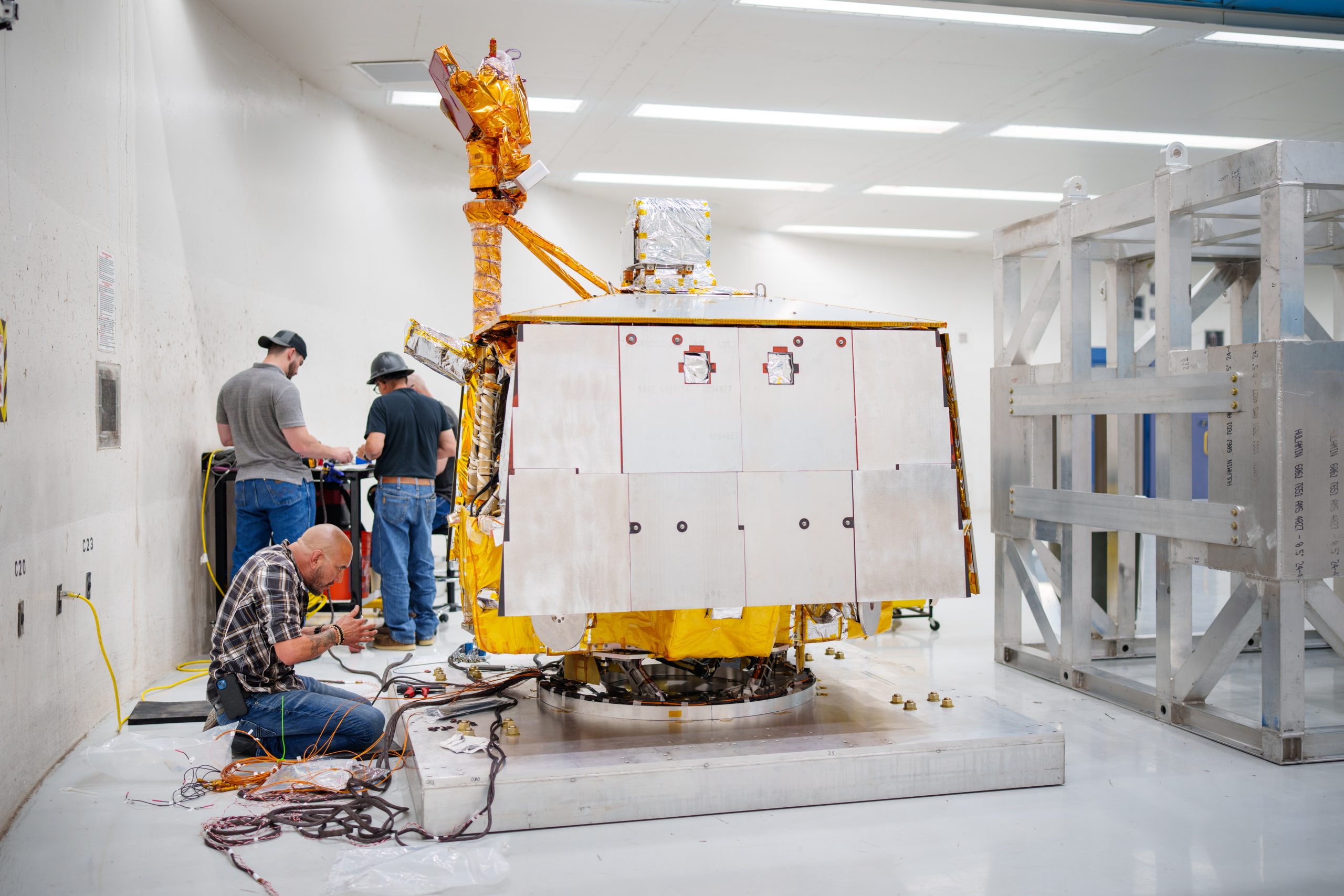
“This is a 1,000-pound article and it has to be oriented in a number of ways throughout the testing process,” said Ben Quasius, VIPER lead stress analyst. “In many cases we would do a static qualification test where we use pistons to push on certain locations of the article to test flex of the body, but there are sensitive things in the way. You have solar panels in prime locations and a drill in the middle that can’t be compromised during flight.”
NASA’s team spent three weeks testing the rover at Sandia’s centrifuge facility.
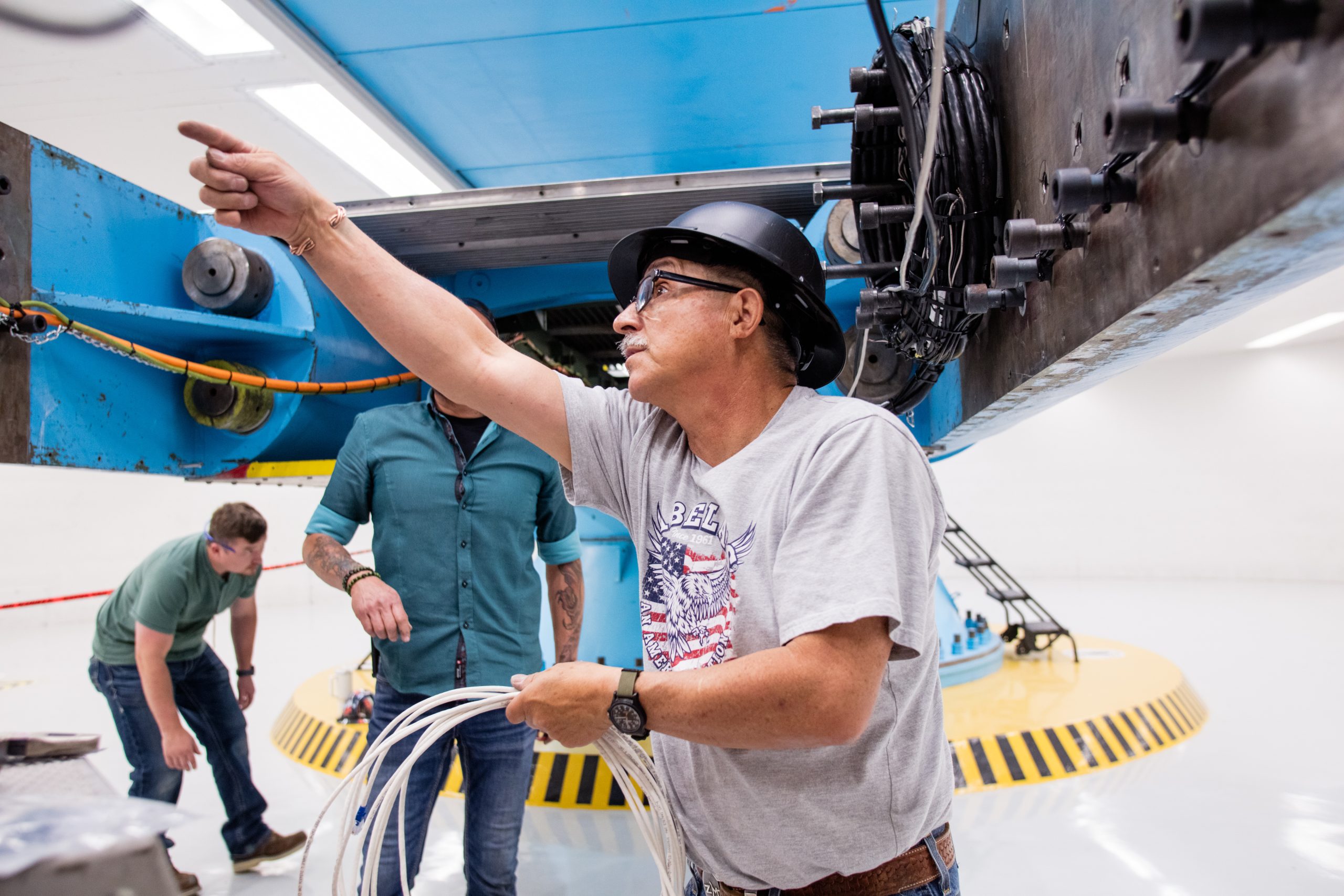
“There is not another machine in the world that has the capabilities we do here,” said Orlando Abeyta, Sandia operations engineer at the Superfuge. “We have tested weapons systems, components of weapons systems, aerospace tanks, and even the Jupiter fuel tank for NASA.”
What a team
Abeyta said he takes pride in the work they do. “That is what I like about working here. Even though the centrifuge is just turning, each test is different. That is what keeps me interested in being here.”
The Superfuge team spent months preparing for the NASA tests. Their job goes far beyond running the centrifuge. They engineer each test, determine how to load the article, connect all the required instrumentation and what angles to test at. They also have to troubleshoot when things don’t go as planned. On the VIPER rover, there were 48 different points of data to be collected and analyzed.
“You can model anything you want, but until you put it on that arm you don’t know what you are going to get,” Abeyta said. “As a centrifuge operator, anyone can push a button, but you need to know what is happening when you push that button — if it doesn’t work, then what? That’s what I’ve learned to do here.”
Test lead Leticia Mercado, who holds a master’s degree mechanical engineering with a concentration in space systems, called the rover testing a dream come true.
A native of Farmington, New Mexico, she grew up planning to leave her home state but after an internship at Sandia, she found her passion.
“I worked at the Drop Towers and the Mechanical Shock Complex and then this became my home facility,” Mercado said. “Personally, I am just excited to be part of this test and to lead it. I have such a unique job.”
The VIPER Mission
The Sandia team is eager to see the VIPER rover head to the moon, but will have to wait until late 2027.
NASA announced in September that it had chosen Blue Origin of Kent, Washington to deliver the rover to the moon’s South Pole using a Blue Moon MK1 lander, which is in production.
Once there, the rover will be charged with making a water concentration map of the moon.
“We know there is water on the moon, but we don’t know the concentrations of water,” Petri said. “It’s like prospecting for gold here on Earth. You need enough concentration for it to be worthwhile to mine. It’s the same with the moon.”
The rover is armed with three scientific instruments: a mass spectrometer, a near-infrared spectrometer and a neutron spectrometer. Those instruments can detect water volatiles, particles that evaporate, or boil off, when heated.
The rover also has a drill capable of reaching one meter beneath the surface to pull up samples of any existing water remnants.
The goal is for the rover to explore the moon’s South Pole, where permanently shadowed craters don’t experience boil off and have a higher probability of containing large concentrations of water.
The science could be groundbreaking, and Sandia’s team said they are proud to have played a role in it, just as they are of every test they’ve played a role in.
“I got a compliment from a manager for the VIPER testing saying they had never had an experience like they did here,” Abeyta said. “If something happens, we have an answer for it. We know how this equipment works. There are so many great people here, everybody helps each other and that’s what makes this place work so well. On Sunday nights I am excited to come to work on Monday to see what I get to do next.”
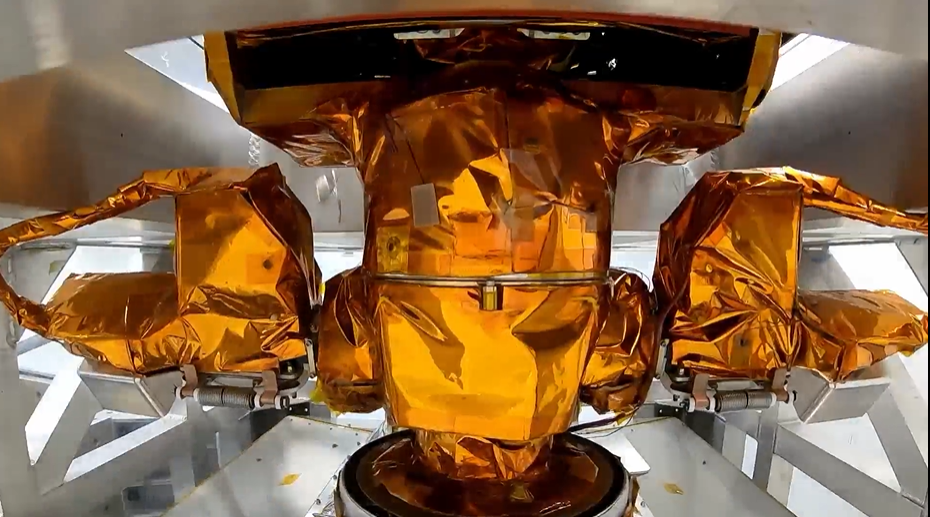
Additional GoPro and NASA video of the VIPER testing available: Email request to kdquint@sandia.gov